-
《遇見許鴻飛》 ——人民大會堂的一次藝術相逢
2026-03-12 14:56:52 点此关注西非在线更多资讯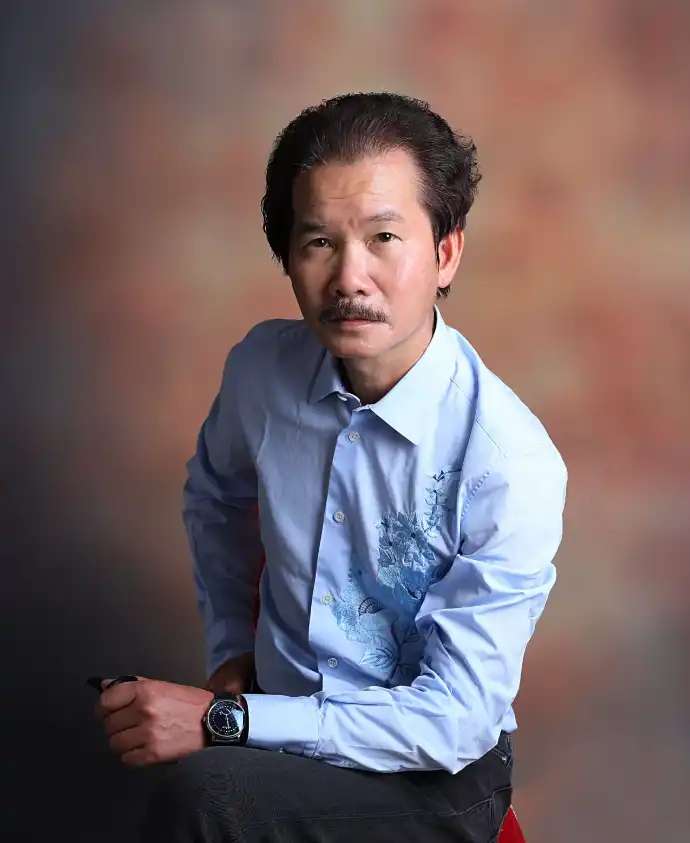
北京的三月,總有一種莊嚴與溫暖交織的氣息。人民大會堂内燈光柔和,紅地毯筆直地延伸向大廳深處,來自全國各地的代表委員穿行其間。此刻的北京,不僅是中國政治生活的重要舞台,也是一座彙聚思想、文化與藝術的精神殿堂。
就在這樣一個特殊的場合,我意外地遇見了。
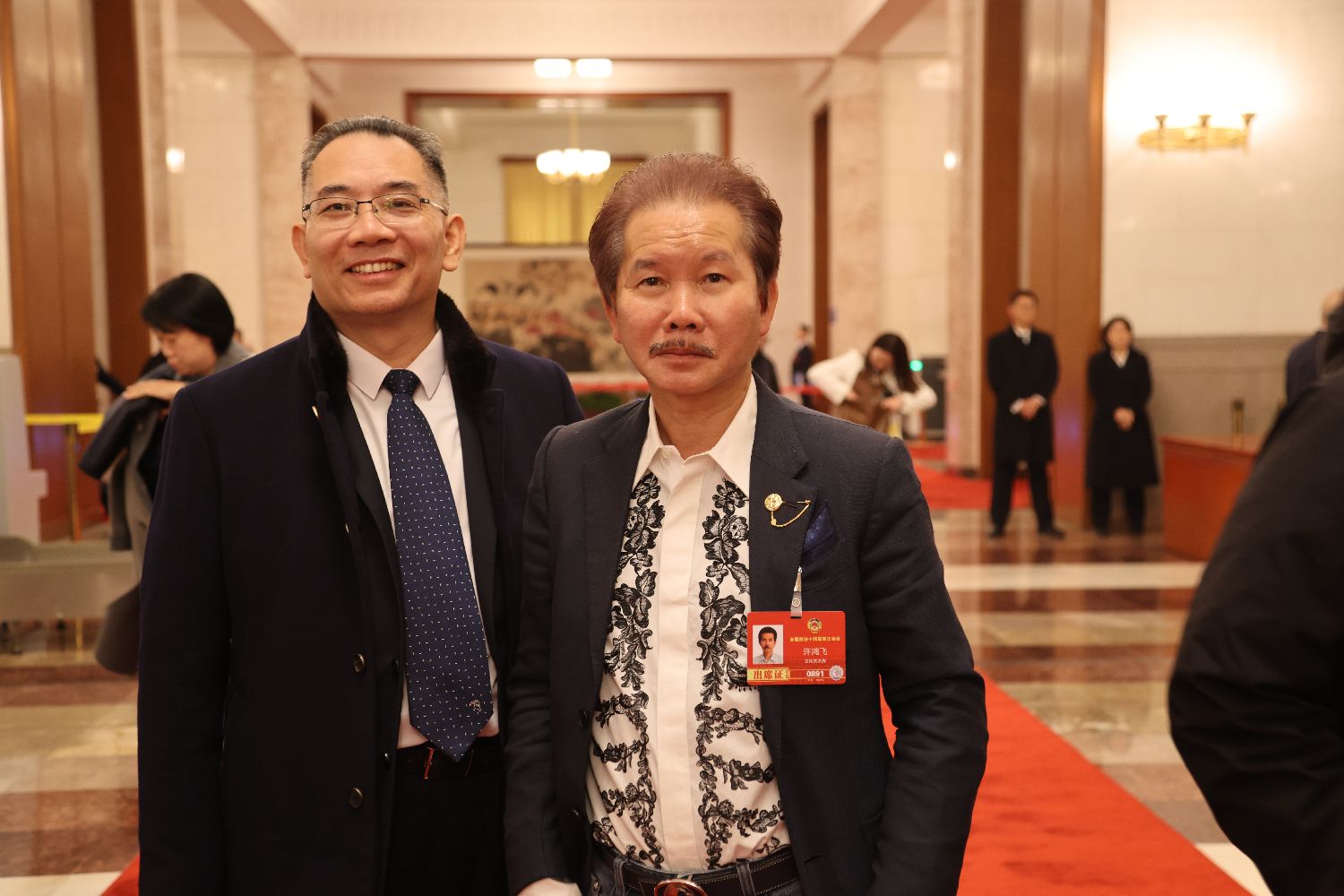
他站在人群之中,神情沉穩而從容。西裝外套下是一件帶着藝術氣息的襯衫,胸前佩戴着全國政協委員證件。那一刻,我忽然意識到:在這個莊重的政治空間裏,一位雕塑家正以另一種方式參與國家的未來。
我走上前去,向他問候。“許老師您好,我是北歐來的媒體人,是廣東新聞辦鄧大哥介紹我認識您的。”
他微微一愣,随即露出一種既謙遜又真誠的笑容。那種笑容,并不像許多藝術家刻意保持的“藝術姿态”,更像一個來自嶺南的普通人,帶着一點樸實的溫度。
“感謝黨和國家對藝術人才的重視。”他說。
這句話說得很平靜,卻讓我印象極深。
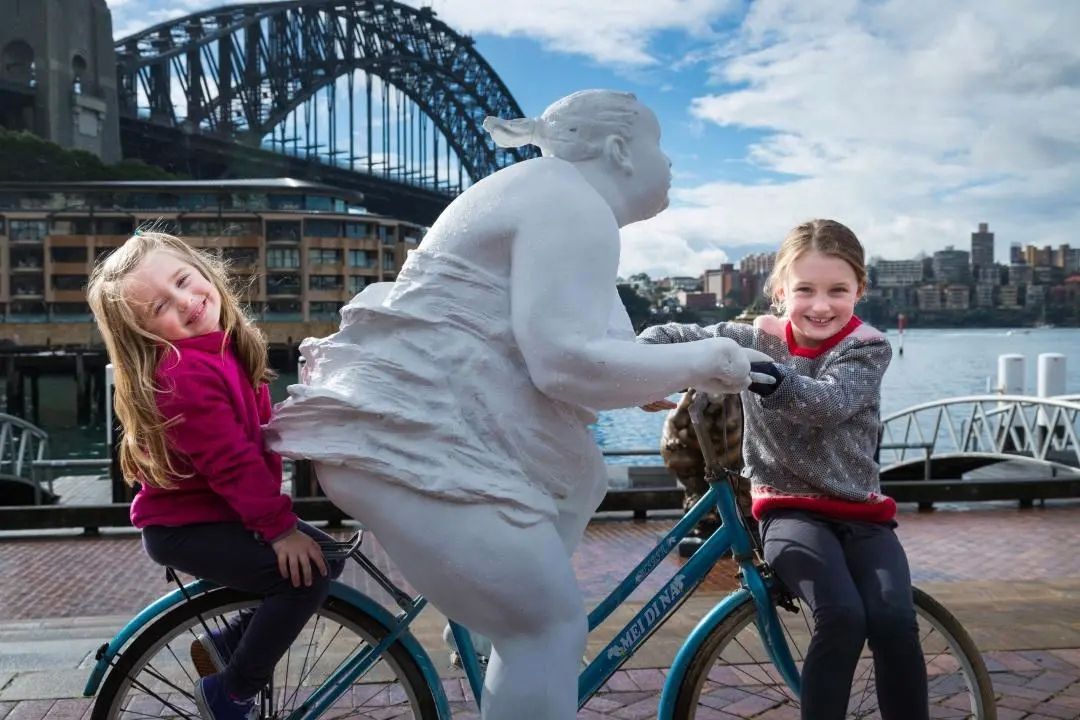
很多人認識許鴻飛,是因爲他的雕塑。那些充滿生命力的作品——圓潤、奔放、快樂的女性形象,常被稱爲“肥女系列”。它們在世界許多城市的廣場、公園和博物館中展出,帶着一種幾乎沒有國界的幽默與歡樂。
藝術評論界曾說,許鴻飛的雕塑,是一種“會笑的雕塑”。
在西方傳統雕塑中,人體往往象征力量、理性與秩序;而在許鴻飛的作品中,人體卻變成一種生活的慶典。那些豐滿的形體并不沉重,反而仿佛在空氣中漂浮,在舞蹈,在歌唱。
這種藝術語言,其實很“廣東”。
嶺南文化從來不拘謹,不端着。它像珠江水一樣流動,像南海的風一樣自由。許鴻飛的雕塑,正是這種文化性格的立體表達。
然而,在人民大會堂再次見到他,我忽然意識到:藝術家的角色,也在悄然變化。
今天的許鴻飛,不隻是雕塑家,也是全國政協委員。在這裏,他不再隻是塑造雕像的人,也成爲爲文化發聲的人。
我們簡單交談了幾句。他談到中國文化“走出去”,談到公共藝術在城市中的價值,也談到年輕藝術家的成長環境。
他說,中國正在進入一個文化自信不斷增強的時代。藝術不隻是博物館裏的作品,也應該走進城市、走進生活,讓普通人每天都能看見、觸摸、感受。
我聽着這些話,忽然想到北歐。
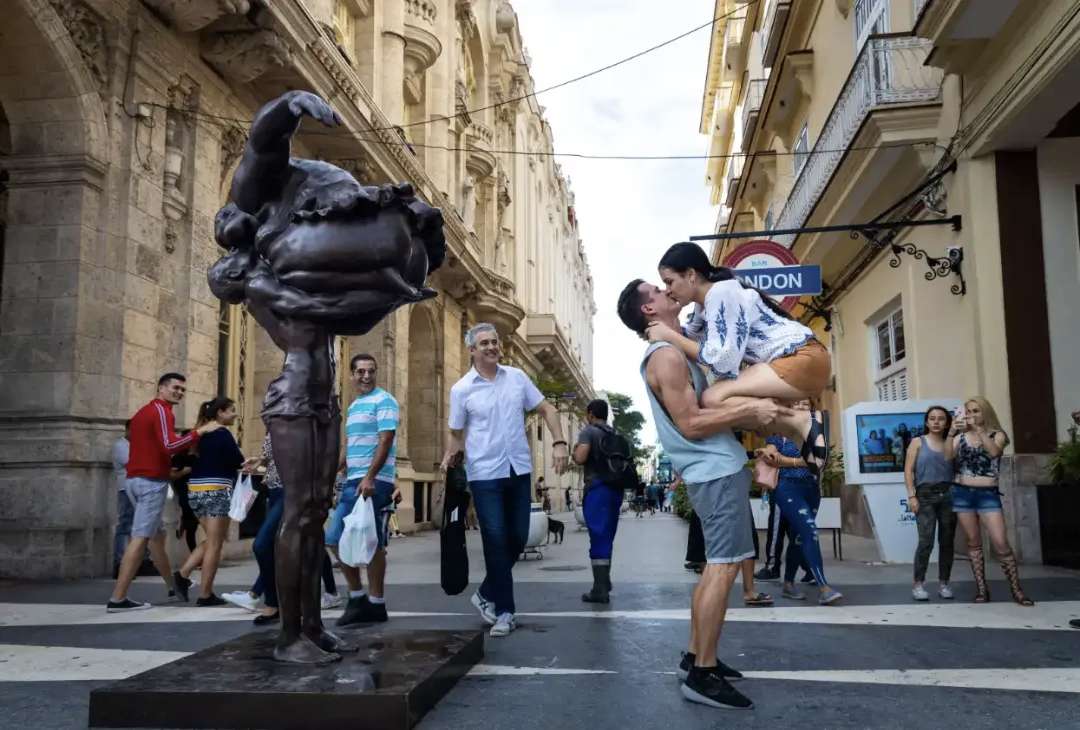
在斯德哥爾摩、哥本哈根、奧斯陸,公共藝術早已成爲城市的一部分。雕塑不再是紀念碑,而是生活景觀。人們會在雕塑旁騎車、散步、聊天。藝術在那裏不是高高在上的,而是日常的一部分。
而許鴻飛的作品,恰恰也在做同樣的事情。
他的雕塑沒有距離感,沒有威嚴感。它們像朋友一樣出現在廣場上、公園裏,甚至在世界不同國家之間,成爲一種文化交流的媒介。
那一刻,我忽然覺得,這次偶遇并不隻是一次簡單的相逢。
在人民大會堂這樣象征國家權力與制度的空間裏,一位雕塑家與一個來自北歐的媒體人短暫交談,仿佛是一種象征:
政治、文化與藝術,正在同一個時代交彙。
臨别時,我們在大廳裏合影留念。燈光溫暖,人群仍在流動。許鴻飛依舊保持着那種平靜的神情。
我忽然想到一個畫面——也許在未來的某個城市廣場,人們會看到一尊許鴻飛的雕塑。
他們會笑,會拍照,會在雕塑旁邊聊天。而很少有人知道,這位創造歡樂形象的藝術家,也曾在人民大會堂裏,爲文化、爲藝術、爲時代發聲。
走出大廳時,北京夜色漸深。
紅牆之外,春風正在慢慢吹起。
Meeting Xu Hongfei
A Chance Encounter at the Great Hall of the People
March in Beijing carries a special atmosphere—solemn yet warm.Inside the Great Hall of the People,the lights glow softly and the red carpet stretches deep into the grand corridors.Delegates and members of the national committees walk steadily through the halls.At this moment,Beijing is not only the stage of China’s political life,but also a gathering place of ideas,culture,and artistic spirit.
It was here that I unexpectedly encountered.
He stood calmly among the crowd.Beneath his dark suit was a shirt that carried a hint of artistic flair,and on his chest was the red badge of a member of the National Committee of the Chinese People’s Political Consultative Conference.In that moment,I realized something striking:within this solemn political space stood a sculptor,participating in the nation’s future in his own way.
I stepped forward to greet him.
“Professor Xu,hello.I’m a journalist from Northern Europe.Brother Deng from the Guangdong Information Office introduced me to you.”
He paused for a second,slightly surprised,and then smiled—a modest and sincere smile.It was not the carefully constructed expression of an artist posing for the world,but rather the warmth of a man from Guangdong,carrying a certain simplicity and honesty.
“Thanks to the Party and the country for valuing artistic talent,”he said quietly.
The sentence was simple,yet it stayed with me.
Many people know Xu Hongfei through his sculptures.His works—rounded,lively,joyful female figures—are widely known as the“Chubby Women”series.They have appeared in public squares,parks,and museums in cities around the world,carrying a kind of humor and happiness that transcends national borders.
Art critics often say that Xu Hongfei creates“sculptures that smile.”
In traditional Western sculpture,the human body often symbolizes power,rationality,and order.In Xu Hongfei’s works,however,the human body becomes a celebration of life itself.Those full and rounded figures do not feel heavy;instead they seem to float in the air—dancing,singing,and laughing.
In many ways,this artistic language feels distinctly Cantonese.
Lingnan culture has never been rigid or restrained.It flows like the waters of the Pearl River and moves as freely as the winds of the South China Sea.Xu Hongfei’s sculptures are a three-dimensional expression of this cultural temperament.
Yet seeing him again inside the Great Hall of the People made me realize that the role of an artist is quietly evolving.
Today Xu Hongfei is not only a sculptor but also a member of the National Committee of the CPPCC.Here,he is no longer merely shaping sculptures—he is also shaping conversations about culture.
We spoke briefly.He mentioned the importance of Chinese culture“going global,”the role of public art in urban life,and the need to create a better environment for young artists.
China,he said,is entering an era of growing cultural confidence.Art should not belong only to museums;it should belong to cities and daily life,allowing ordinary people to see,touch,and experience it every day.
Listening to him,I suddenly thought of Northern Europe.
In cities such as Stockholm,Copenhagen,and Oslo,public art has long been part of urban life.Sculptures are not distant monuments;they are part of the everyday landscape.People ride bicycles past them,sit beside them,or chat nearby.Art becomes part of daily living.
Xu Hongfei’s sculptures seem to do exactly the same.
They carry no distance,no solemn authority.Instead,they appear like friendly companions in squares and parks,creating joy in the shared spaces of cities.In many places around the world,his works have quietly become cultural bridges.
At that moment,I felt that this encounter was more than coincidence.
Inside the Great Hall of the People—a symbol of China’s political system—a sculptor and a journalist from Northern Europe shared a brief conversation.It seemed to represent something deeper:a moment where politics,culture,and art intersect in the same era.
Before leaving,we took a photograph together in the hall.The lights were warm,and people continued moving through the corridors.
Xu Hongfei still carried that calm and thoughtful expression.
I imagined a future scene.
Perhaps in some city square somewhere in the world,people will encounter one of Xu Hongfei’s sculptures.They will laugh,take photos,and chat beside it.
Few will know that the artist who created those joyful figures once stood inside the Great Hall of the People,speaking for culture,for art,and for the spirit of the times.
When I stepped outside,the night over Beijing had deepened.
Beyond the red walls,the early spring wind had begun to rise.